Belgium’s De Wever Warns: No Deal on Using Russian Assets Without Legal Basis, Guarantees, and Shared Risk
#Belgium #EUSummit #FrozenRussianAssets
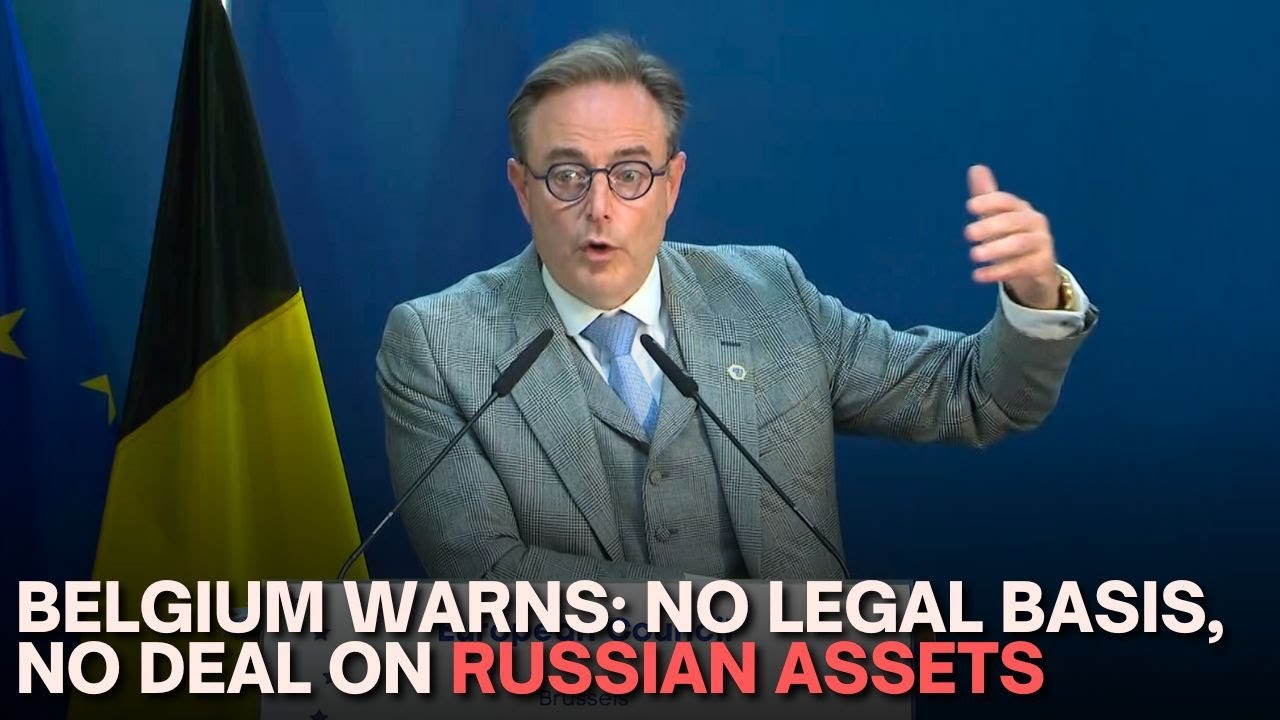
Belgian Prime Minister Bart De Wever signaled a hard line after the EU summit, warning that Belgium will block plans to use immobilized Russian sovereign assets for Ukraine unless strict conditions are met. Speaking in Brussels, De Wever stressed that Belgium does not want a single euro returned to Russia, but said any step must be legal, collectively backed, and financially guaranteed.He drew a clear distinction between “immobilized” central-bank assets and “frozen” private assets, insisting only the former are under discussion. Citing precedent, he noted that sovereign assets are typically immobilized until a peace treaty determines their use, as after Iraq’s invasion of Kuwait. De Wever said the European Commission’s concept of a €140 billion “reparations loan” backed by Russian assets would enter uncharted legal waters.
He warned that if a measure “looks like confiscation”, it could face fierce challenges in courts worldwide. Belgium’s concern is heightened because about €170 billion of Russian sovereign assets sit at Euroclear in Brussels. He described Euroclear’s cash from these assets as the “chicken” and the interest as “eggs”, arguing that spending the principal would be a different, riskier legal act. The prime minister said litigation is inevitable, referencing claims already filed under the Belgo-Luxembourg Investment Treaty and suits by sanctioned individuals. He cautioned that Russian countermeasures could include counter-confiscation, seizures of Western firms, and judgments in Russia or friendly jurisdictions.
De Wever relayed that ECB President Christine Lagarde told leaders any operation must ensure immediate cash availability if Russia regains a legal claim. That implies a concrete, rapid backstop—potentially €140 billion—ready at short notice, he said. He argued the European Commission cannot compel member-state guarantees, meaning each government would need to sign and assume its share of risk. Without a credible guarantee, he warned of market reactions undermining Euroclear and the Eurozone’s financial stability.
De Wever urged international burden-sharing, noting other immobilized holdings in Japan (~€50 billion), the UK, Canada, the U.S., Switzerland, and EU states beyond Belgium. He criticized the lack of transparency from other jurisdictions on windfall profits and tax proceeds, saying Belgium is “the best boy in town” on support via Euroclear revenues. To maintain legitimacy and protect the euro, he said the EU should “not do it alone” and should involve non-euro countries if it moves. Summarizing, he set three conditions: establish a solid legal basis; secure binding, immediate guarantees for any repayment risk; and ensure joint action with wider international participation. He confirmed President Zelensky attended in person and briefed leaders, but declined to share sensitive details.
De Wever called the timing “five before twelve”, acknowledging weeks, not months, to secure Ukraine’s financing. If these conditions are unmet, he said Belgium will block asset-use plans and the EU should consider alternative financing options. He concluded that support for Ukraine is unwavering, but the method must be lawful, shared, and safe for Europe’s financial system.
——————————————————
*Subscribe to Europe Pulse*
Stay updated with the latest news from Europe.
#EuropePulse #BreakingNews #EU #WorldNews #Politics #TrendingNow #NewsUpdate #Analysis #Ukraine #Russia #USA #UK #EuropeanUnion #NATO #WorldEvents #CurrentAffairs #EUnews #TopStories #InternationalNews #Brussels #Leaders #ViralNews #Headlines