
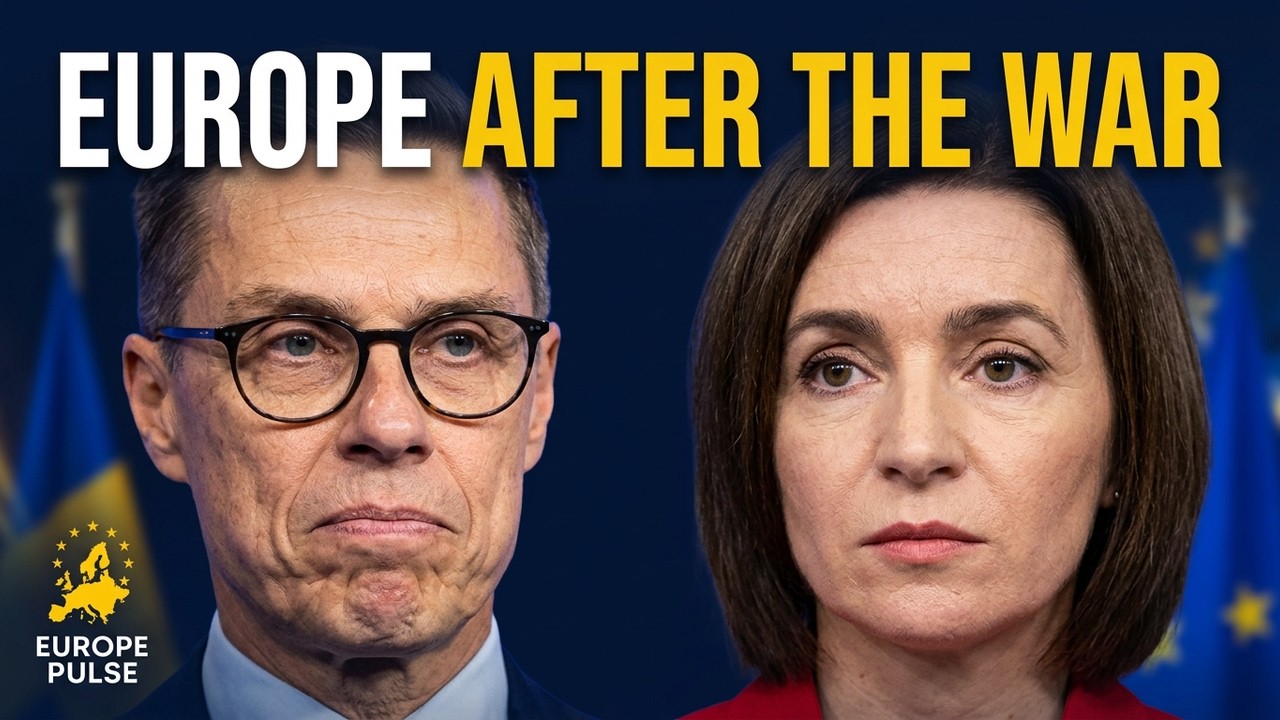
At the Helsinki Security Forum on October 2, 2026, Finnish President Alexander Stubb and Moldovan President Maia Sandu issued stark warnings regarding Europe’s security landscape following Russia’s war in Ukraine. Moderated by David Rennie of The Economist, their conversation highlighted that ending the conflict will not eliminate all threats, emphasizing ongoing Russian interference and the critical decisions Europe must make to safeguard its future.
Russia’s Enduring Hybrid Threat
President Sandu detailed Moldova’s direct experience with Russian pressure, including energy blackmail, illicit political financing, attempted voter bribery, cyberattacks, and disinformation campaigns. She underscored the importance of coordinated institutions, independent journalism, and public awareness in countering these tactics. President Stubb echoed these concerns, describing hybrid attacks across Europe as a sustained campaign designed to undermine public resilience and support for Ukraine.
Sandu warned that “Russia will continue to be a major source of instability for many years to come,” regardless of whether Vladimir Putin remains in power. Stubb added that Russia’s military has learned from the war and could potentially regroup stronger, altering Europe’s security balance.
Sustained Support for Ukraine
Both presidents firmly connected Europe’s security with Ukraine’s future. Stubb articulated a clear message: “the more you intimidate, the more you threaten, the more you act, the more we’re gonna end up supporting Ukraine.” He identified air defence, energy infrastructure, and financing as Ukraine’s immediate security priorities. Sandu also highlighted Ukraine’s resistance as crucial for regional peace.
EU Enlargement as a Security Investment
The discussion also focused on the strategic importance of EU enlargement. Sandu, whose country shares a 1,200-kilometre border with Ukraine, called for a credible, merit-based path to full membership, stating, “So, enlargement is the best investment in Europe’s security.” Stubb, whose Finland shares a 1,340-kilometre border with Russia, strongly supported this view, arguing that Ukraine’s military could become one of Europe’s strongest future security guarantees. Both presidents stressed that EU accession remains merit-based, requiring political reforms.
The Challenge of Trust with Russia
A difficult question addressed was the future relationship with Russia after the war. Stubb observed that “building trust always takes much longer than the collapse of trust,” acknowledging the profound breakdown in relations. The conversation underscored the need for long-term deterrence and accountability alongside immediate support for Ukraine.
What was the main topic of the Helsinki Security Forum discussion?
The main topic was Europe’s security after Russia’s war in Ukraine, focusing on ongoing threats, support for Ukraine, and the strategic importance of EU enlargement.
Who were the key speakers at the forum?
Finnish President Alexander Stubb and Moldovan President Maia Sandu were the key speakers, with David Rennie of The Economist moderating the discussion.
What did the presidents say about EU enlargement?
Both presidents supported EU enlargement as a strategic investment in Europe’s security, emphasizing the need for a credible, merit-based path to membership for countries like Moldova and Ukraine.
