
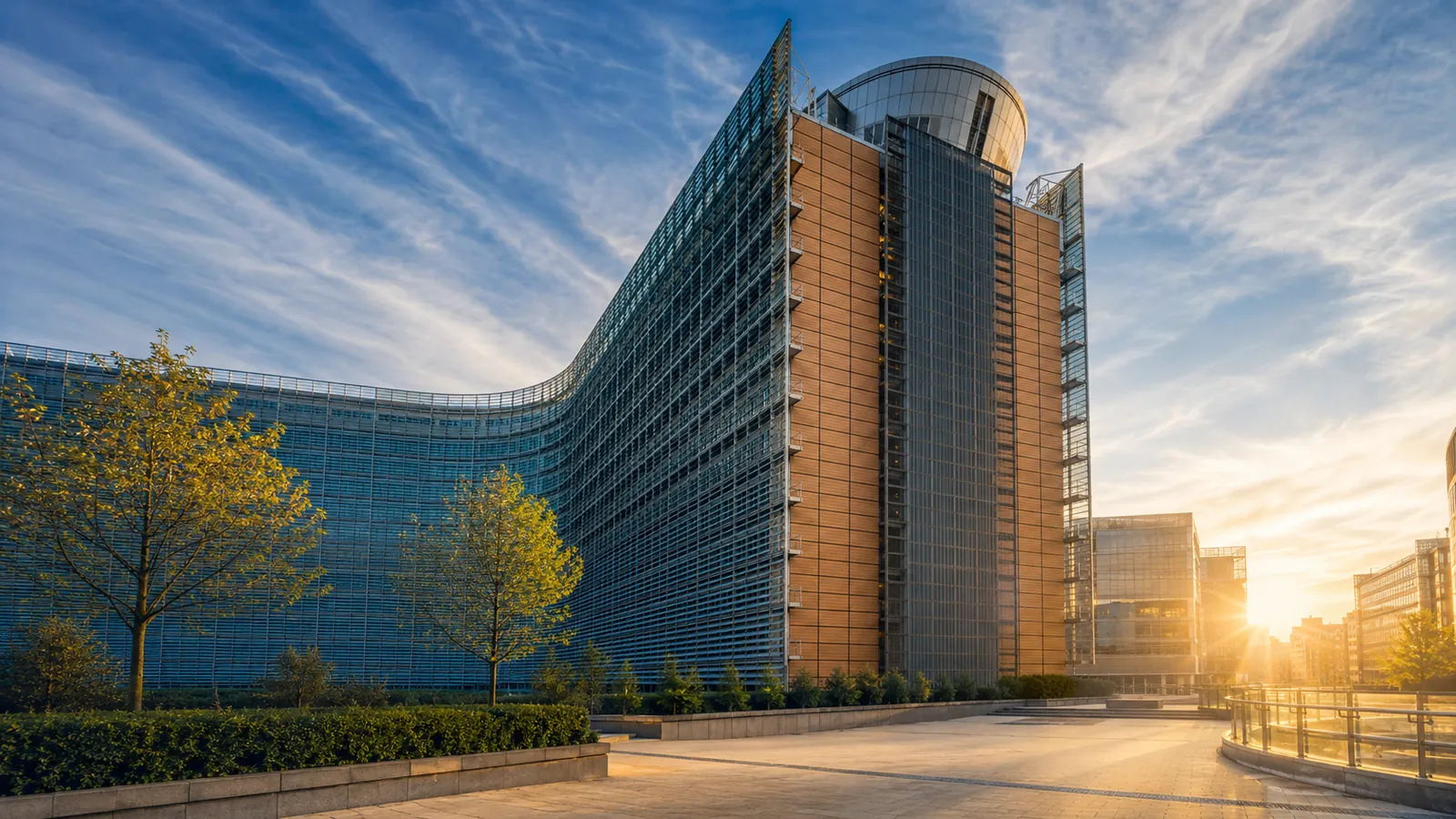
The European Commission has published a new Arctic strategy that aims to deepen cooperation with northern neighbours and respond to rapid environmental, economic and security changes in the region. The strategy sets out four core priorities — security and resilience, climate action, economic security, and opportunities for local communities — and proposes concrete EU support measures, including new research and coordination hubs.
What the Commission announced
Commission officials described the strategy as a framework of cooperation focused on “people, security, climate and prosperity.” It responds to a combination of factors the Commission says are reshaping the Arctic: climate change, geopolitical tensions, strategic competition, increased military activity and emerging shipping routes.
The strategy lists four priorities. First, it aims to strengthen security and resilience in the Arctic to improve preparedness, protect critical infrastructure and enhance the EU’s operational capabilities in Arctic conditions. The Commission said this work will be supported by a new maritime security hub.
Second, the strategy seeks to respond to accelerating climate change by reinforcing climate research and supporting effective responses to environmental change. The Commission highlighted the need to address the Arctic’s particularly rapid warming — about four times faster than the global average, according to the document — and the consequent impacts on ecosystems and communities.
Third, the EU intends to build an economically secure Arctic. To that end the strategy proposes establishing a new EU polar research hub and strengthening the European Polar Coordination Office.
Fourth, the strategy aims to create opportunities for people in the Arctic. The Commission says it will support Arctic local governments in addressing shared challenges affecting livelihoods and communities.
Why it matters
The Commission frames the EU as part of the Arctic: more than half a million EU citizens live in the Kingdom of Denmark, Finland and Sweden, and actions in the region have direct implications for those populations. The strategy links environmental changes to economic and security dynamics, underlining how quicker warming and new maritime access can alter infrastructure needs and strategic calculations.
For EU institutions and member states, the strategy sets out areas where the Commission intends to coordinate research, security preparedness and regional cooperation. For citizens and local governments in Arctic areas, the measures proposed aim to channel EU support into climate research, infrastructure protection and local governance assistance. Businesses and researchers active in polar science and maritime activities may also see new coordination mechanisms such as the polar research hub and maritime security hub.
What happens next
The Commission describes the strategy as a framework of cooperation to be pursued “in close cooperation with Arctic partners and communities.” The document includes references to concrete measures — notably the maritime security hub, the EU polar research hub and reinforcement of the European Polar Coordination Office — but does not in itself set out legislation or binding commitments.
Further steps, timelines and how the proposed hubs will operate, be funded or interact with member states and Arctic partners were not detailed in the Commission text. The strategy is accompanied by a press release and a factsheet titled “Europe’s Northern Neighbourhood: A new strategy for the Arctic,” which the Commission published alongside the announcement.
Source: European Commission press release
