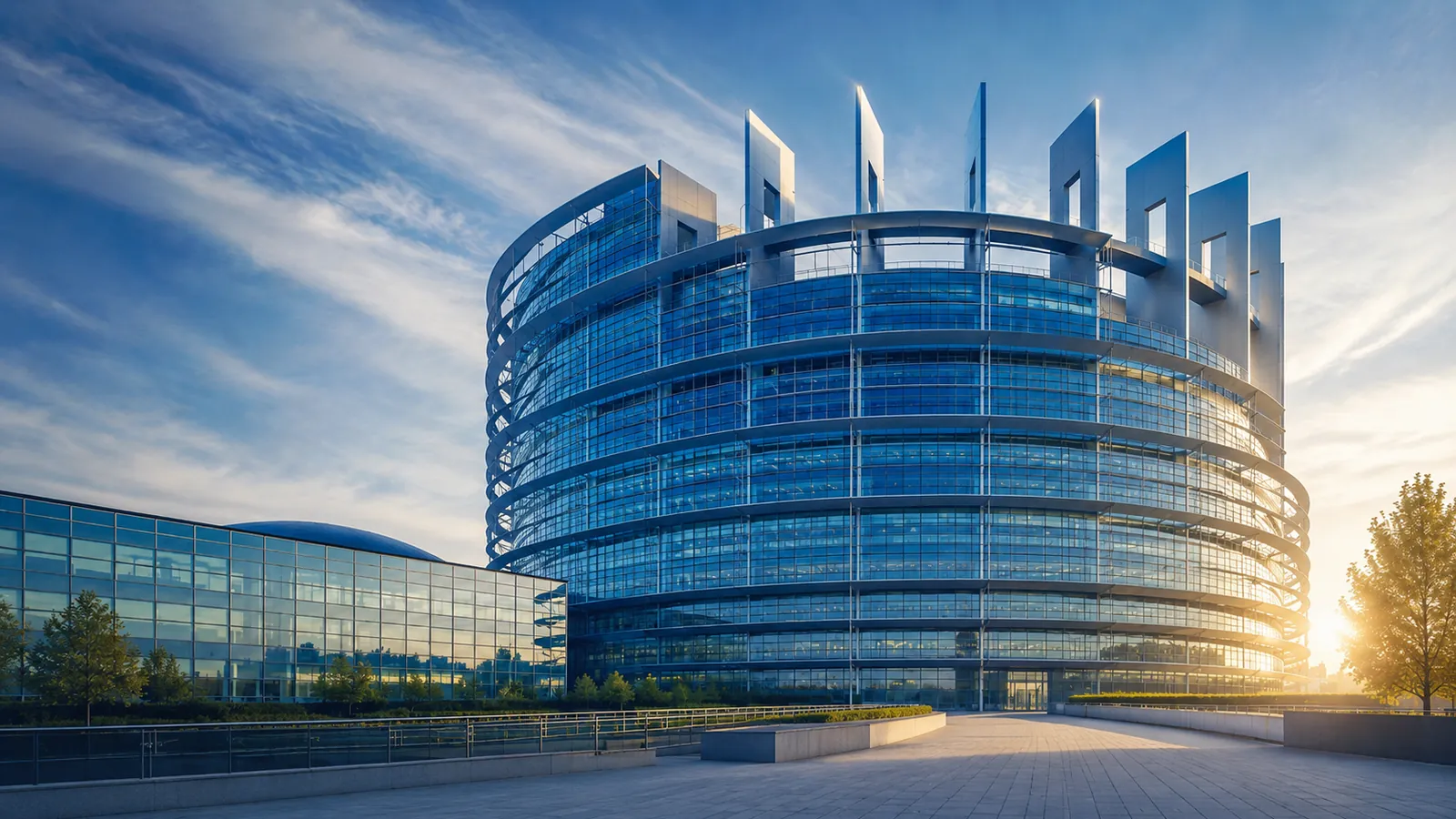
The European Parliament’s International Trade Committee will hold an extraordinary meeting on Tuesday 2 June, and on the same day will meet jointly with the Internal Market Committee and the Industry, Research and Energy Committee, the Parliament announced.
The one‑day set of meetings brings together lawmakers who oversee trade policy, the single market and industrial competitiveness — three areas that intersect on rules governing market access, strategic industries and the regulatory environment for goods and services traded across and beyond the EU.
Why it matters
Joint committee meetings are used in the European Parliament when dossiers cut across multiple policy areas or when coordination between committees is needed ahead of plenary votes or interinstitutional negotiations. Bringing the three committees together signals that the topics under discussion are likely to involve complex trade-offs between external trade policy and internal market and industrial policy priorities. These interactions matter for businesses that operate across Member States, for national policymakers who implement EU rules, and for citizens whose jobs and consumer choices are affected by trade and industrial strategy. They are also relevant to the EU’s ability to project coherent positions in international trade talks and to protect strategic economic sectors.
What is scheduled
The Parliament’s public notice provides only the date and the fact that the International Trade Committee will hold an extraordinary meeting and meet jointly with the Internal Market and Industry Committees on 2 June. No agenda items, draft positions, rapporteurs or vote schedules were included in the announcement.
Context and likely implications
Although the announcement itself contains no substantive detail, recent years have seen an increasing overlap between trade policy and industrial strategy across the EU. The Commission has pursued policies intended to secure supply chains, boost resilience in key technologies, and harmonise standards to protect the single market while pursuing trade agreements with third countries. At the same time, Member States and Parliament have debated tools ranging from investment screening and export controls to strategic subsidies and industrial alliances. When Parliament’s trade committee convenes with the internal market and industry committees, it typically addresses dossiers such as trade defence instruments, strategic investment screening, enforcement of single market rules for goods that are imported, or the trade-related aspects of industrial support measures.
Next steps and transparency
Further details about agenda items, documents and participants are normally published in the Parliament’s committee meeting notices in the days before committee sittings. Observers, stakeholders and journalists who follow the files typically monitor those publications and the committee webpages for draft reports, amendments and meeting minutes that disclose the substance of the debates and any decisions taken.
For now, the 2 June meetings are formally recorded as extraordinary and joint sessions, flagging the Parliament’s intention to concentrate multiple committee competencies on an urgent or cross-cutting dossier. Stakeholders with interests at the intersection of trade, the single market and industrial policy will expect follow‑up information from the Parliament on the precise topics under discussion and any subsequent steps toward committee opinions, reports or plenary consideration.
Source: Full Press Release