
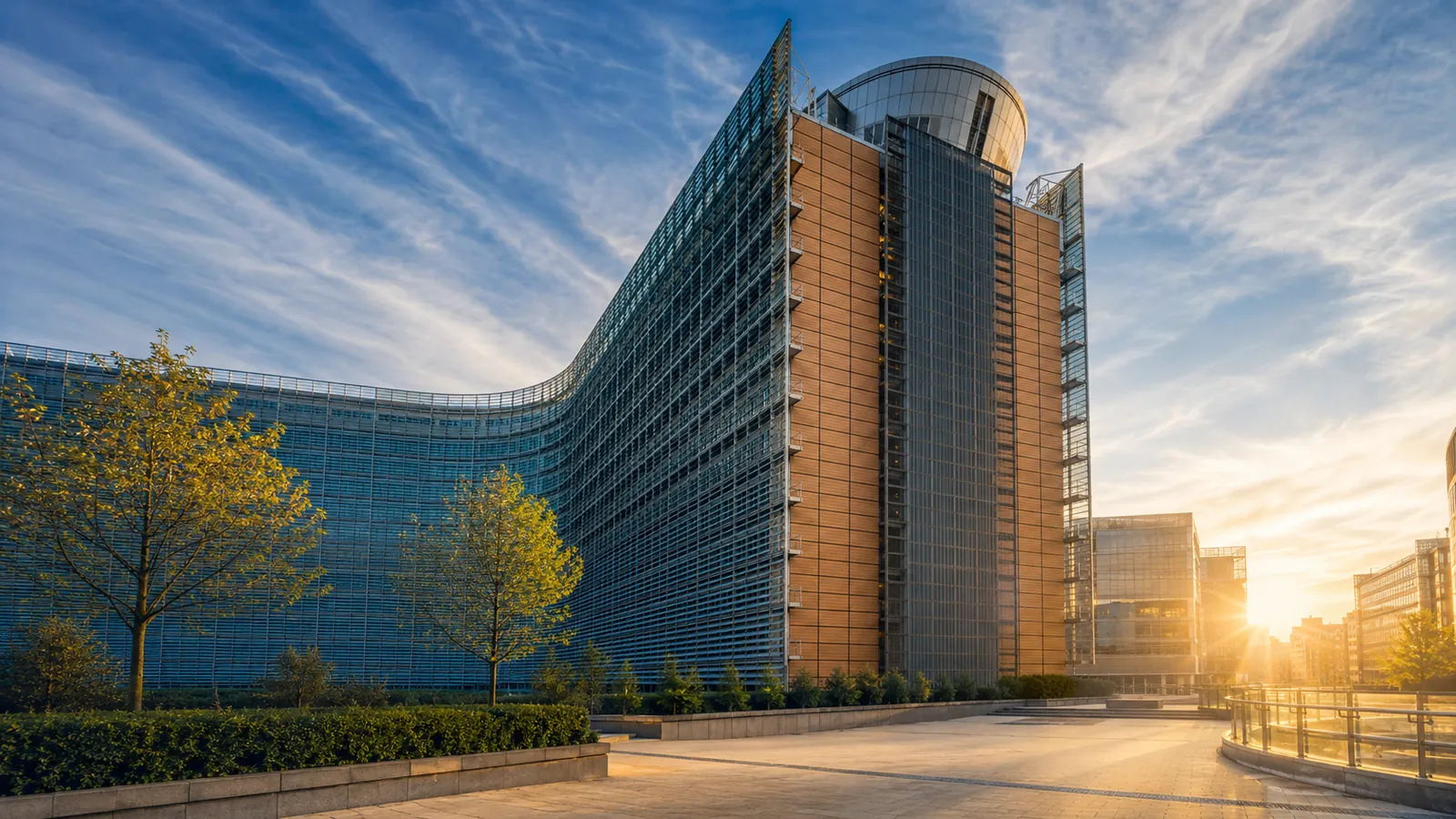
EU sets new rules to boost energy performance of buildings from May 2026
A new set of rules aimed at improving the energy efficiency of buildings across the European Union comes into force on 30 May 2026. The development marks a substantial step in the bloc’s broader push to reduce energy consumption, cut emissions, and bolster energy security by targeting one of the EU’s most energy-intensive sectors.
The announcement outlines that the updated standards will apply to building design, renovation, and performance metrics, with the objective of raising overall energy efficiency in both new constructions and existing structures. While the press release does not specify the exact technical benchmarks in this summary, it signals a comprehensive framework intended to harmonize national approaches across member states and accelerate decarbonisation in the building stock.
Why it matters
Buildings account for a significant share of EU energy use and greenhouse gas emissions. By tightening energy performance requirements, the rules aim to reduce energy demand, lower heating and cooling costs for households and businesses, and support the deployment of energy-efficient technologies and materials. Improved building performance also aligns with the EU’s broader climate and energy goals, including reductions in emissions and the transition toward a more secure, sustainable energy system.
For citizens, higher energy efficiency can translate into lower energy bills and more comfortable living and working environments. For businesses, particularly construction, real estate, and building retrofit sectors, the rules can drive demand for efficiency upgrades, innovative insulation, smart control systems, and compliant materials, while potentially influencing housing prices and rental markets. On a larger scale, the measure contributes to energy security by reducing dependence on external energy supplies and mitigating price volatility tied to energy markets.
Context and key elements
The EU’s decision reflects ongoing efforts to standardize performance expectations across member states, ensuring that renovations and new builds meet consistent efficiency criteria. The release indicates a move toward a unified framework that supports both public and private sector projects, though the practical implementation details—such as transitional timelines, exemptions, and enforcement mechanisms—are not detailed in this summary.
Industry observers will be watching how member states translate the new rules into national regulations, building codes, and incentive programs. The policy’s success will depend on effective rollout, adequate funding or financing options for renovations, and a robust pipeline of compliant products and services in the market. Collaboration with local authorities, energy suppliers, and financial institutions will be essential to drive upgrades at scale.
Next steps and implementation
With the rule change taking effect on 30 May 2026, stakeholders will anticipate further guidance from the European Commission, including technical criteria, compliance timelines, and any transitional provisions. Member states are expected to adapt national legislation and enforcement practices accordingly, while industry players prepare to align designs, materials, and retrofit strategies with the new standards.
The policy emphasizes long-term gains in energy efficiency and decarbonisation, reinforcing the EU’s commitments to climate objectives, energy affordability, and resilience against energy price shocks. As the date approaches, municipalities, developers, and building owners will need to evaluate current properties, plan renovations, and consider funding mechanisms to meet the forthcoming requirements.
