# Europe Bleeds €500 Million Daily: EU Leaders Urge Urgent Action Amid Escalating Energy Crisis
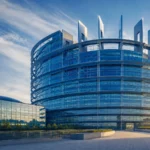
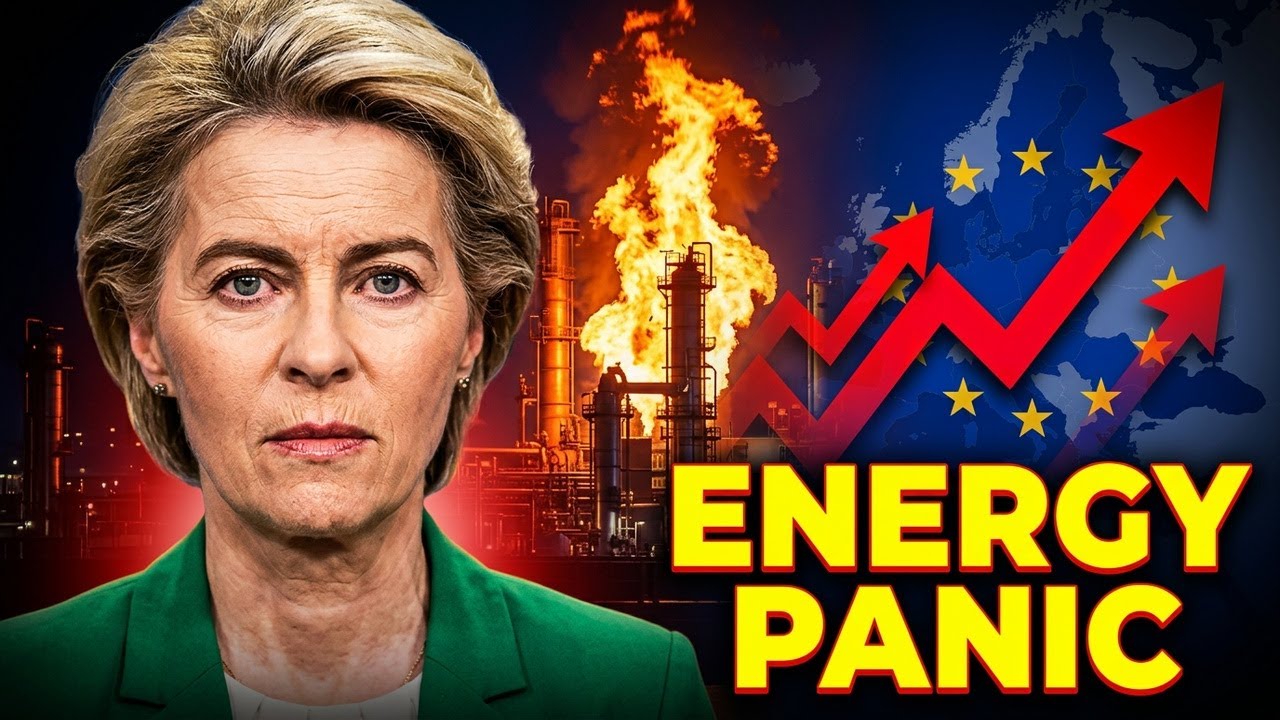
**STRASBOURG –** Europe is hemorrhaging nearly half a billion euros every single day, a staggering financial drain attributed to the escalating energy crisis exacerbated by geopolitical tensions in the Middle East. European Commission President Ursula von der Leyen issued a stark warning from the European Parliament in Strasbourg, revealing that rising fossil fuel import costs are bleeding the EU dry, with over €27 billion added to Europe’s energy bill in just the last 60 days – all without any increase in supply.
The urgent debate amongst EU leaders underscores the profound economic impact of the Middle East crisis, particularly concerning disruptions in the Strait of Hormuz, a choke point through which a fifth of the world’s total oil consumption passes. As global oil and gas prices surge, the EU finds itself at a critical juncture, accelerating ambitious plans to reduce its reliance on volatile imported fossil fuels and vigorously pursue energy independence through clean energy.
## The Alarming Financial Toll
The figures presented by President von der Leyen paint a grim picture for the European economy. The daily loss of €500 million translates into an annual drain of over €180 billion if current trends persist. This massive capital outflow not only impacts national budgets but also directly affects the purchasing power of European citizens and the competitiveness of its industries.
“In just two months, Europe has seen its energy bill surge by over €27 billion,” von der Leyen stated, highlighting the rapid escalation of costs. This surge is a direct consequence of global markets reacting to heightened geopolitical instability, particularly in the Persian Gulf region, making Europe’s reliance on external energy sources a critical vulnerability.
## Why the Strait of Hormuz is Europe’s Energy Lifeline
At the heart of the current crisis’s geopolitical dimension lies the Strait of Hormuz. This narrow waterway, connecting the Persian Gulf with the Arabian Sea, is indisputably one of the world’s most critical energy routes. Any instability or threat to shipping in this region inevitably sends shockwaves through global energy markets, driving up prices and creating supply uncertainties.
Marilena Raouna, during the parliamentary debate, underscored the imperative of Hormuz security and de-escalation efforts. The European Union, a major importer of energy, is acutely aware that disruptions here do not just affect oil-producing nations but directly impact the cost of living and doing business across its member states. Securing this vital transit point is not merely a matter of regional stability but a cornerstone of global energy security.
## EU’s Multi-pronged Strategy: From Crisis Response to Long-term Transformation
Faced with this dual challenge of immediate financial strain and long-term energy insecurity, the EU is mobilising a comprehensive response strategy encompassing both immediate market interventions and accelerated structural reforms.
### Immediate Measures and Market Reforms
Key voices from across the European Parliament called for decisive actions to mitigate the immediate impact on citizens and businesses:
* **Energy Market Reforms:** A widespread consensus emerged for overhauling the current energy market design to better protect consumers from volatile international fossil fuel prices.
* **Windfall Taxes:** Iratxe García Pérez, a prominent voice, advocated for the implementation of windfall taxes on oil and gas companies that are currently profiting immensely from the elevated prices. The revenue generated could then be redirected to support vulnerable households and businesses.
* **Protection for Households and Businesses:** António Tânger Corrêa highlighted the urgent need for stronger protection mechanisms for citizens and enterprises struggling with escalating energy costs, including targeted support and subsidies.
* **Fuel Reserve Coordination:** The EU is enhancing its energy security measures, including the coordination of strategic fuel reserves across member states to ensure supply stability in times of disruption.
* **Support for Ukraine:** As part of its broader response strategy, the EU reiterated its continued financial and military support for Ukraine, recognising the interconnectedness of energy security, geopolitical stability, and the ongoing conflict.
### Accelerating the Clean Energy Transition
Beyond immediate crisis management, the long-term strategic imperative for Europe is clear: reduce dependence on imported fossil fuels and champion clean energy production.
* **Boosting Renewables:** The EU is doubling down on its commitment to renewable energy sources, including solar, wind, and hydro, accelerating deployment targets and streamlining regulatory processes.
* **Role of Nuclear Power:** Manfred Weber emphasized the crucial role of nuclear energy in Europe’s future energy mix, advocating for its recognition as a viable, low-carbon baseload power source to enhance energy security and achieve climate goals.
* **Energy Independence and Sovereignty:** Nicola Procaccini articulated the vision of true energy independence, stressing that reducing reliance on external energy suppliers is not just an economic necessity but a matter of national and European sovereignty.
## What This Means for European Consumers and Businesses
The daily €500 million drain translates directly into higher energy bills for households, increased operational costs for businesses, and inflationary pressures across the European economy.
* **Households:** Consumers face higher utility bills, impacting disposable income and potentially leading to energy poverty for vulnerable segments of the population.
* **Businesses:** Industries, particularly energy-intensive sectors, are grappling with soaring input costs, threatening competitiveness, driving up production expenses, and potentially leading to job losses or relocation.
* **Economic Stability:** The overall economic stability of the EU is under threat from persistent high energy costs, which can stifle growth, deter investment, and contribute to broader inflation.
However, the crisis is also serving as a powerful catalyst for innovation and investment in green technologies. Businesses are increasingly looking at self-generation, energy efficiency upgrades, and switching to renewable energy to insulate themselves from future price shocks.
The European Union stands at a pivotal moment. The current energy crisis, fueled by distant conflicts and global market volatility, serves as an undeniable call to action. While the immediate focus remains on mitigating the daily financial bleeding and protecting its citizens, the long-term vision for a truly energy-independent, sustainable, and sovereign Europe is rapidly taking shape. The urgent debate in Strasbourg marks a determined step towards transforming vulnerability into resilience.
#EUEnergyCrisis #UrsulaVonDerLeyen #MiddleEastCrisis #OilPrices #StraitOfHormuz #EuropeNews #EnergySecurity #Geopolitics #EUParliament #GlobalEnergy