
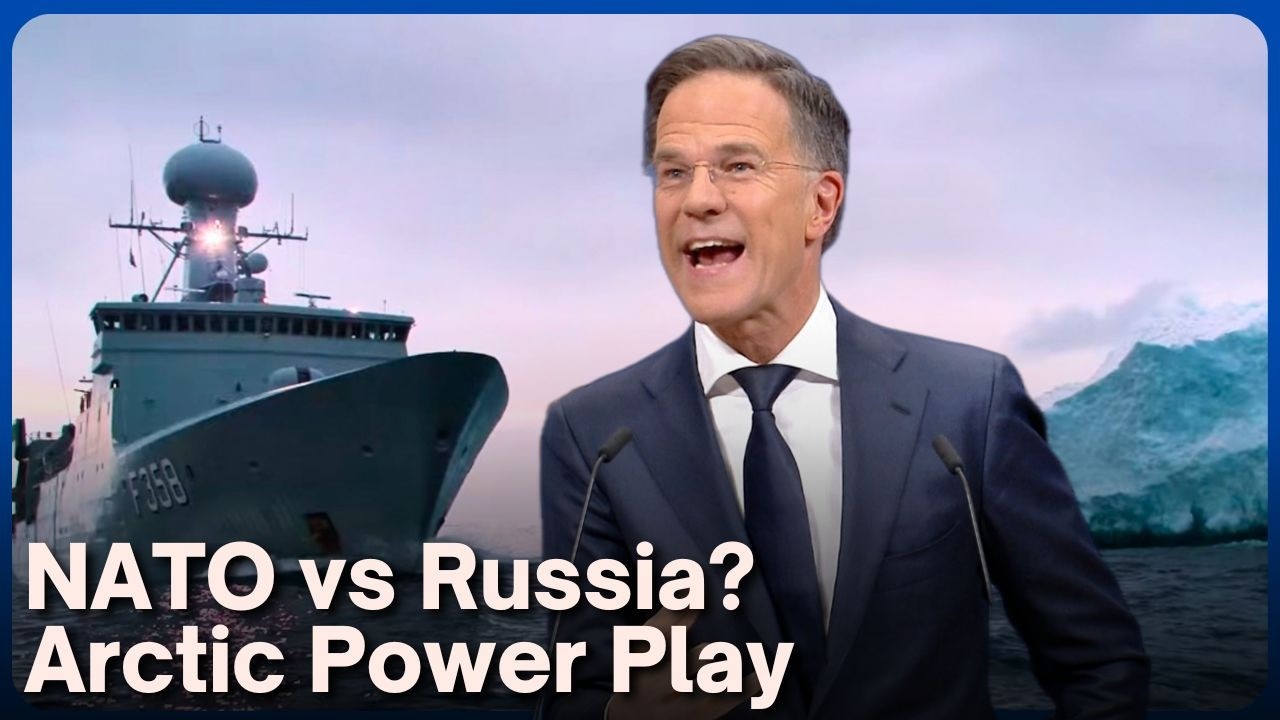
NATO Launches “Arctic Sentry” to Strengthen High North Security
NATO has formally launched Arctic Sentry, a new unified security initiative aimed at strengthening the Alliance’s presence in the Arctic and High North. The announcement was made by NATO Secretary General Mark Rutte during a press conference, where he described the move as a “huge” and unprecedented step in NATO’s Arctic defense strategy.
According to Rutte, the Arctic is becoming increasingly important for collective security. He pointed directly to Russia’s expanding military activity in the region and China’s growing strategic interest in Arctic access as key factors behind the decision.
First Unified NATO Arctic Command Structure
What makes Arctic Sentry different is that, for the first time, all NATO and Allied activities in the Arctic will be brought together under one operational command. Previously, Arctic exercises and deployments were conducted separately. Now they will operate under a single, coordinated framework.
The initiative falls under the authority of NATO’s Supreme Allied Commander and is delegated to Joint Force Command Norfolk. It is classified as an enhanced vigilance activity, similar to NATO’s Baltic and Eastern Sentry frameworks.
Rutte stressed that this integration will allow NATO to better leverage its existing capabilities, identify operational gaps, and fill them over time. However, he declined to share operational specifics, citing security concerns.
“Whatever I tell you more would inform the people in Moscow and Beijing a bit too much,” Rutte said.
Major Arctic Exercises Integrated
Arctic Sentry will initially combine large-scale military exercises such as Denmark’s Arctic Endurance and Norway’s Cold Response. These operations involve tens of thousands of troops and specialized Arctic-capable equipment designed to function in extreme cold-weather conditions.
The Secretary General emphasized that NATO regularly trains to operate in all climates, but the new structure ensures that these efforts are coordinated more effectively and strategically aligned.
Finland and Sweden’s NATO membership significantly strengthens the Alliance’s Arctic posture. With seven Arctic-bordering nations now part of NATO, Russia remains the only Arctic coastal state outside the Alliance.
Technology and Lessons from Ukraine
A key component of Arctic Sentry is the involvement of Allied Command Transformation. Rutte highlighted that the initiative will integrate cutting-edge technologies and apply lessons learned from the war in Ukraine, particularly in drone warfare and counter-drone capabilities.
While Arctic Sentry is not focused specifically on drone deployment, it will incorporate advanced technological insights to ensure NATO forces are prepared for evolving threats in the region.
Coordination will also include NORAD, US Northern Command, and US European Command, further strengthening transatlantic operational alignment in the Arctic.
Rising Strategic Competition in the Arctic
The Arctic’s geopolitical importance is increasing as melting ice opens new sea lanes and access to natural resources. Rutte warned that both Russia and China are becoming more active in the region.
Although China is not geographically an Arctic state, NATO assesses that Beijing is steadily expanding its influence and presence in Arctic affairs. Russia, meanwhile, continues to maintain and expand its military infrastructure across its Arctic territories.
Rutte linked the launch of Arctic Sentry to his recent discussions with the US President in Davos. He said Arctic security and the risks associated with newly opening maritime routes were central topics.
He also referenced ongoing talks between Denmark, Greenland, and the United States regarding long-term security and economic investments in Greenland. Preventing Russian and Chinese influence in Greenland’s economy is described as a strategic priority.
A Strategic Shift in NATO Arctic Policy
Arctic Sentry represents a structural shift in NATO’s defense planning. By unifying all Arctic activities under a single command, the Alliance aims to improve readiness, strengthen deterrence, and close capability gaps more rapidly.
Rutte concluded that protecting the Arctic is essential not only for regional stability but for the security of the entire Alliance.
As geopolitical competition intensifies and climate change transforms the region, NATO is making clear that the High North is now firmly at the center of its strategic priorities.
