
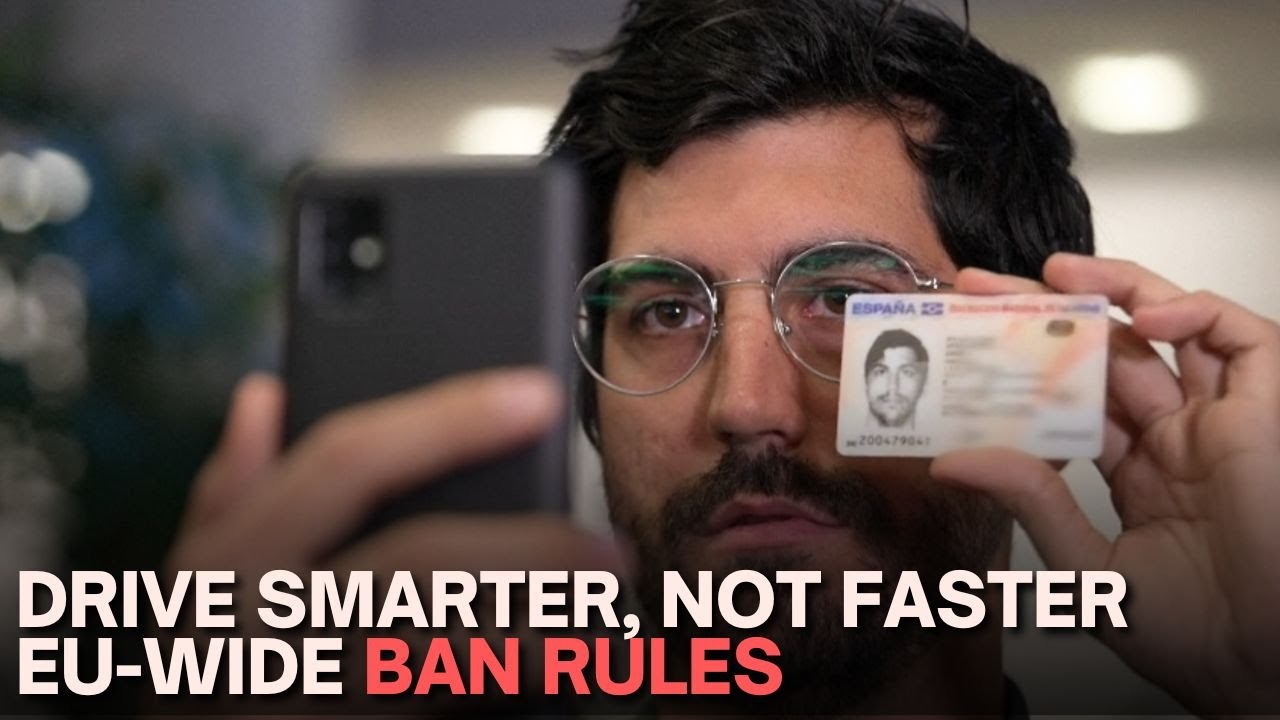
EU Parliament backs sweeping update to driving licence and disqualification rules, paving way for digital licences by 2030
#drivesafe #driverslicense #driving
The European Parliament on Tuesday, 21 October 2025, approved an overhaul of EU driving licence and driving disqualification rules aimed at cutting road deaths and modernising standards across the bloc. The package, presented in Brussels by rapporteurs Jutta Paulus (Greens/EFA, Germany) and Matteo Ricci (S&D, Italy), targets the nearly 20,000 people killed annually on EU roads with tougher enforcement and updated training. Under the reform, Member States must offer a digital driving licence—stored on a smartphone—by 2030, while drivers keep the right to request a physical plastic card at any time. Paulus stressed freedom of choice and cross-border usability, saying citizens who “want to live offline” must be able to obtain a physical licence quickly. Tests and training for new drivers will now cover blind-spot risks, use of driver-assistance systems, safe door-opening to protect cyclists, and the dangers of phone use while driving. A two-year probation period for novice drivers is introduced, with stricter penalties for offences such as drink-driving or not wearing seatbelts. From age 17, youths may obtain a category B licence, but must drive under supervision until 18. To address driver shortages, the reform allows truck licences (C) at 18 and bus licences (D) at 21 with appropriate professional qualification; otherwise, minimum ages remain higher. Licence validity is set at 15 years for cars and motorcycles and five years for trucks and buses; Member States may shorten validity—especially for drivers aged 65+—to require more frequent medical checks or refresher drives. Before a first licence is issued—or upon renewal—drivers face a medical assessment including eyesight and cardiovascular checks; countries may opt to replace this for A/B licences with self-assessment or other national systems. The package also adapts vehicle classifications, enabling trained volunteer emergency drivers to operate certain heavier vehicles—reflecting battery weights—up to 5 tonnes, with cross-border recognition for professional use. Crucially, the disqualification directive harmonises how serious offences trigger licence suspensions EU-wide. National authorities must promptly notify the issuing country of withdrawals, suspensions, or restrictions, covering offences such as driving under the influence of alcohol or drugs, causing a fatal crash, or speeding by more than 50 km/h over the limit. Ricci called it “a strong, effective monitoring and enforcement system” that protects responsible drivers and the wider community. The Commission will evaluate the offence list after five years and propose updates if needed. The rules enter into force 20 days after publication in the EU Official Journal; Member States have three years to transpose and one additional year to prepare implementation. The reform aligns with the EU’s road-safety strategy to halve deaths on the way to “Vision Zero” by 2050. Paulus summarised the goal: digital convenience, safer training, and tangible benefits for citizens across Europe.
——————————————————
*Subscribe to Europe Pulse*
Stay updated with the latest news from Europe.
#EuropePulse #BreakingNews #EU #WorldNews #Politics #TrendingNow #NewsUpdate #Analysis #Ukraine #Russia #USA #UK #EuropeanUnion #NATO #WorldEvents #CurrentAffairs #EUnews #TopStories #InternationalNews #Brussels #Leaders #ViralNews #Headlines
